
Do We Promote Well-Being? • Risk Resources – September 2024
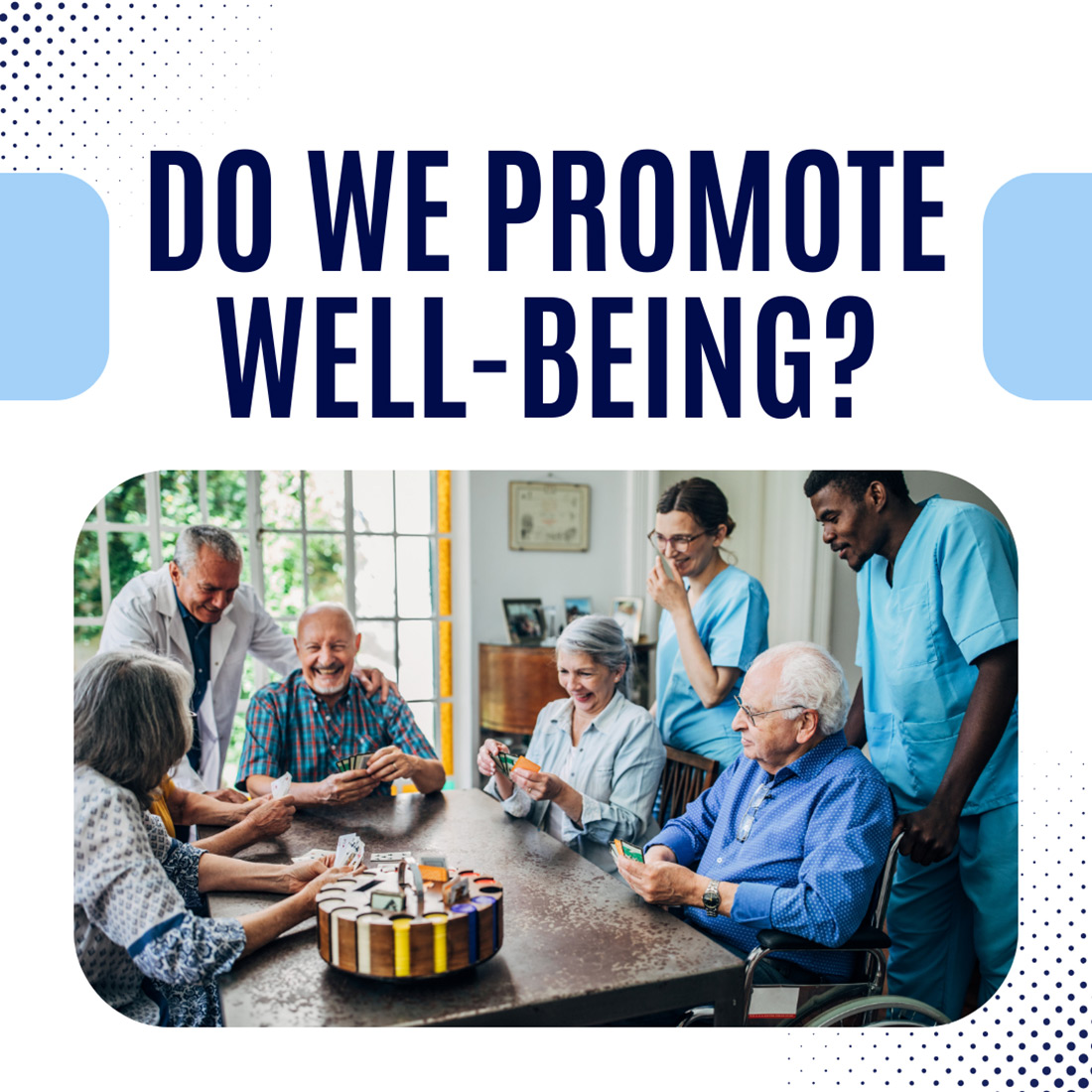
Culture change organizations have long promoted the overall well-being of persons living and working in their communities, yet often struggle with low morale and high risk. This begs the question, is your organization truly embracing culture change and well-being or is it lip service with a sign posted on the wall?
The Eden Alternative® has been one of the leading organizations to promote well-being in communities, defining it as “a contented state of being”. Is that not what we all seek in one way or another?
The Eden Alternative identified 7 domains as critical for life fulfillment. These are called the Eden Alternative Domains of Well-being® and are the following:
- Identity
- Autonomy
- Meaning
- Connectedness
- Joy
- Security
- Growth
Many times we know we are not experiencing well-being, but are not sure why. These 7 domains help identify what may be missing. The Eden Alternative approach is designed specifically for the care of elders, but does it not also apply to quality living for all?
Identifying the aspects of wellbeing has proven beneficial in team building as well. Authors Jim Clifton and Jim Harter in their book “Wellbeing at Work: How to Build Resilient and Thriving Teams” define wellbeing in respect to multiple life areas:
- Career: you like what you do every day
- Social: meaningful friendships in one’s life
- Financial: managing money well
- Physical: energy to get things done
- Community: like where you live
They further identify 4 risks to a thriving culture that would be important for leaders to consider:
- Employee mental health
- Lack of clarity and purpose
- Overreliance on policies and programs
- Poorly skilled managers
Do the risks sound familiar to challenges within your organization?
Could our challenges and culture be negatively affecting the overall well-being of our team, residents and families?
Consideration of the Eden Alternative’s 7 Domains of Well-being, along with the total life identifiers and risk areas of Clifton and Harter gives us some insight to our own well-being – as individuals and leaders. Of even greater consideration is the effect on the culture in our homes, particularly with our workforce.
The Eden Alternative recently conducted a body of work studying the return on investment for members. The following is a summary statement regarding their findings. It bears witness to the significance of the temperature, environment, and culture in our homes, which we know makes a routine difference in the many lives we serve. And leads to the question “where do your employees feel value?”
"Relationship-based care models foster a supportive work environment where employees feel valued. This leads to increased job satisfaction and lower staff turnover. This runs parallel to improved patient outcomes because a stable workforce is essential for continuity of care…"
For More Information on increasing your team’s performance while decreasing risk Contact Lanette Williams with Healthcare Risk Services at 601-750-6625 or lanette@hrsins.com.